
The principle of ‘less is more’ works. It does. Of course as people we are driven by our need to hoard what we term memories. But who says having less of those in tangible objects means we don’t value memories attached to objects we’d rather let go of? Why hang on to clothes that don’t fit? Sometimes there’s a very thin line between hoarding and placing value on objects. And, depending on what drives you; determines your mental health status.
Minimalism doesn’t call for limiting oneself, actually it’s more of simplifying life by cutting down on excess stuff, distractions and stressful activities. Clearing out space in your home can lead to clearer thoughts. Seriously, decluttering is like shedding weight off your mind. When everything has its place, it reduces chaos and invites a peaceful atmosphere.
Getting started with minimalism doesn’t mean you gotta toss everything. No. Be intentional with what you choose to keep. It starts with clearing out that drawer that’s full of old cables or that cupboard with chipped mugs you never use. Every little decluttered bit helps. It’s pretty wild to learn how minimalism can play a significant role in crushing anxiety and stress. Snipping away the unnecessary makes room for what really matters, helping reduce those dreaded mental spirals.
I’ve seen with my own life that minimalistic living can have a real positive impact on mental health. The focus here is on quality over quantity. So, ask yourself, what’s truly essential? By dialing down your possessions and commitments to what you really value, you offer your mind space to breathe freedom like that is priceless.
Identifying and Adopting Simple Habits for Daily Serenity
Integrating minimalist habits into your everyday life can be a game-changer for mental peace. It might sound like a big leap, but really, it’s one step at a time. The small, intentional habits that blend seamlessly into your routine, helping you keep your head above the chaos.
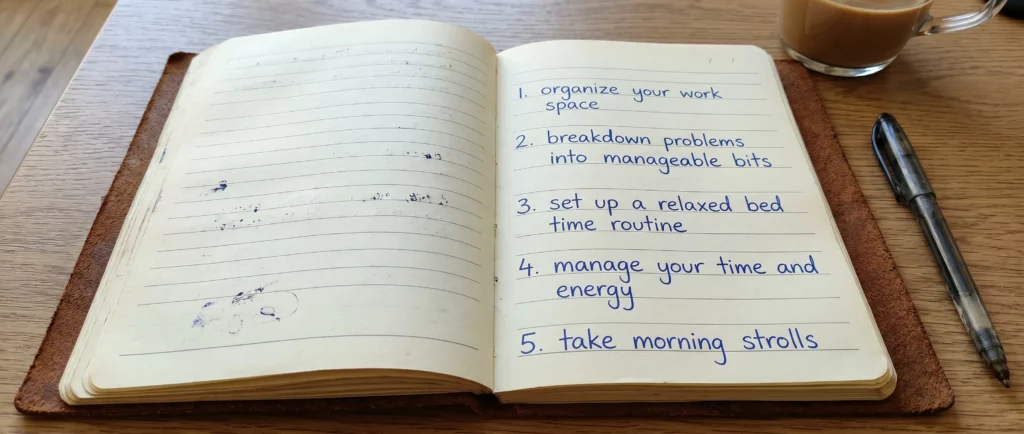
- Spend a few minutes each day organizing your workspace or jotting down three things you’re grateful for in a simple journal. These little actions set a calming tone and help untangle the mind’s knots.
- Break down problems into manageable bits. Focus on three things you see, hear, and feel right now. This simple technique creates a grounding effect, pulling you back from the frenzy and into the present.
- Set up a relaxed bedtime routine to help you wind down before sleeping. Turn off gadgets an hour before bed or a spot of light reading. Ensuring a good night’s rest prepares your mind for relaxation.
- Sprinkle mindfulness throughout your day, simple mindful eating and paying attention to each bite or taking a couple of deep breaths now and then, these acts cultivate a stable and peaceful mindset.
- In the mornings, take a moment to stretch or enjoying a quiet cup of coffee without distractions. You’d be amazed at how these small habits can brighten your entire day.
Inspiring Happiness Through Consistent Minimalist Practices
Unlocking happiness can seem like something out of reach in today’s fast-paced world, but integrating minimalist practices can make it surprisingly achievable. Let’s explore some minimalist twists on the 5 daily habits that make you happier’. You don’t need to do all at once or be perfect at it.
- Start by identifying three things you genuinely enjoy. Maybe it’s that morning quiet time, a quick walk in the fresh air or catching up with a good friend. These small actions accumulate into a more fulfilling day.
- Building emotional resilience is another benefit of minimalist habits. It’s important that you train yourself to handle life’s ups and downs with grace and calmness. Minimalism encourages you to face challenges head-on, without the clutter and noise distracting you.
- Digital minimalism has a huge potential to uplift your spirits. Reducing time spent mindlessly scrolling helps you live in the moment. Instead of being glued to screens, you can invest more energy in those activities that truly nourish your soul.
- A tidy, organized space has a massive influence on personal happiness and social connections. Physical order often leads to a sense of mental order, which goes a long way in improving relationships and wellbeing.
- Deriving joy from simplicity is perhaps the most beautiful aspect of minimalist living. Without the extra distractions and material pursuits clogging your time and space, you get to engage fully and appreciate the richness of simple, everyday moments. Ultimately, that’s what happiness is all about.
Strategies to Tackle Stress: The Minimalist Way
A minimalist approach to handling stress is very manageable. It’s like decluttering your mind of unnecessary worries. These 5 types of coping strategies fit perfectly within the minimalist mindset.
- Break down into bite-sized chunks that huge task that’s been on your mind. For instance, tackling one drawer of clutter at a time makes the process a lot less overwhelming.
- Emotional coping helps manage feelings and reactions. It might mean stepping away for a brief meditation session or journaling your thoughts instead of bottling them up.
- Accepting situations as they are means you are recognizing things beyond your control and you find peace in the storm. Though it may sound hard initially, letting go can be incredibly freeing.
- Self-care is an essential aspect of these coping strategies. Within a minimalist framework, self-care can be as simple as an early bedtime or a leisurely stroll around the block without checking your phone. These soothing activities replenish your mental reserves.
- Lastly, manage your time and energy to ensure that your stress levels remain in check. Prioritizing what truly matters means you’re less likely to burn out. And remember, saying no to things that don’t spark joy is perfectly alright. Minimalist strategies empower you to set those boundaries seamlessly.
Holistic Growth: The Symbiosis of Minimalism and Mental Health

There’s a bigger picture where minimalism and mental health play off each other, creating a cycle of holistic growth. By trimming down the non-essential, you’re not just clearing out physical space but opening up avenues for mental and emotional healing.
Mental clutter can affect your physical health, and vice versa. Less overwhelm in your surroundings can lead to fewer headaches, reduced anxiety and a clearer mind. It becomes important therefore to embrace therapy or counseling as a valuable tool, while also integrating minimalist principles at home or work.
The rewards of minimalism extend well beyond immediate peace; it’s a lifestyle choice promoting long-term well-being. By focusing on what’s genuinely important, you create a sustainable way of living without unnecessary stress and clutter. Everything from your relationships to career choices can benefit from this focused clarity.
For those ready to embark on this journey, understand that the road to minimalism is personal. What matters is aligning your everyday habits with your core values, ensuring that minimalism becomes a meaningful part of your life.
“I need to be transparent about this. As an Amazon Affiliate, I earn from qualifying purchases. Don’t worry, there’s no extra cost to you. It’s a simple way you can support my mission to bring you quality mindfulness content.”