

Setting boundaries is not always an easy thing to do because it often comes as a new definition of an existing relationship. Yes, it gives you the freedom to live authentically but it often rubs people around you the wrong way because they have to re-learn how to behave around you. But they are neccesary, nonetheless, they are invisible lines that protect our mental and emotional health, making sure that we’re not stretched too thin or taken advantage of.
The link between boundaries and overall well-being is very strong. This makes it neccesary for everyone to self-respect before offering respect to anyone else. Once you choose yourself first, you will begin to know how to say NO without feeling guily about it. So, boundaries aren’t just barriers; they’re bridges to healthier lives.
Before I learned how to say NO or how to set boundries, I gave until I ran dry. But there came a time when I had nothing to give and that was a wake up call. I was tired, burnt out even. It was then neccesary to set limts and I actually lost a few relationships that I really valued. But I needed to do me for me. And because of that bold step, i started healing piece-meal by peace-meal. I had no anxieties of how I was going to handle this or that. I took time for me and I rested.
Putting boundaries in action isn’t just a psychology textbook thing. Many people have found that setting limits straightens out their relationships and makes daily life way more manageable. Research backs this up too, showing significant improvements in mental health when boundaries are respected and maintained.
The Four C’s of Effective Boundary Setting
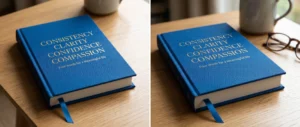
Setting boundaries can feel a bit like navigating a social minefield, but sticking to the Four C’s gives it structure.
First off, clarity is key. You’ve got to be clear with yourself and others about what your limits are. This will eliminate room for misunderstanding or hurt feelings and this is where people who have always been taking advantae of you choose to leave. And it’s okay. It can be liberating.
Once you’ve got your boundaries spelled out, consistency comes next. Keep the boundaries in place and do not compromise yourself. This helps people around you know you mean business and they will respect you for that. This can be challenging, but consistency is what turns a boundary from an idea into a habit.
Confidence in your decision is important when it comes to setting boundaries. It might be awkward at first, but having the guts to say “no” or “this isn’t okay with me” builds up your self-esteem and earns you respect from others. Remember, you’re allowed to prioritize your mental and emotional health.
Compassion rounds out our Four C’s. Approaching boundary-setting with empathy is crucial because it’s not just about looking out for yourself, but also understanding where others are coming from. It fosters healthy communication and ensures that boundaries are respected and maintained in a way that’s fair for everyone involved.
Immediate Shifts: What Happens When You Establish Boundaries
Setting boundaries can spark transformative changes in your life almost immediately. One of the first signs is how your relationships may shift. You start noticing healthier interactions, as people begin to respect your space and time more. It’s like leveling up your social skills because you’re actively choosing what serves you best. Or, things could go south. Some loved ones will actually walk away because ther needs become unmet.
Stress and anxiety might have felt part and parcel of life before, but with boundaries, they start to shrink. You’re giving your mind and body a break from overextending and overthinking. By having these personal rules in place, you allow yourself to reminisce in a newfound calm.
Empowerment is another sweet side-effect. Standing firm on your boundaries gives you a sense of control over your life, helping you feel more confident in decisions.
Boundaries often create positive feedback loops too. As people around you adjust to the new rules, interactions tend to improve, which then reinforces your commitment to those boundaries. It’s like a natural cycle of respect and understanding, building a healthier environment for everyone involved.
Decoding the 3 C’s of Boundaries: A Simple Guide
Setting boundaries may seem daunting at first, but understanding the 3 C’s makes them more approachable.
- Construct boundaries. This means taking an honest look at your priorities and designing boundaries that align with them. Having a solid foundation gives the whole boundary-setting process a purpose.
- Commit to . It’s not enough to just set them up; you have to stand by them consistently. Commitment involves practicing what you preach, ensuring you’re not just setting rules that crumble at the first sign of pushback.
- Allow change to naturally follow as you grow and your circumstances evolve. Effective boundaries need some flexibility, adapting to different situations while still protecting what’s important to you. This adaptability is key, as it allows boundaries to stay relevant in your life, no matter the changes.
Mastering these elements of boundaries lets you take charge of your life. It’s more of crafting a lifestyle that’s genuine to who you really are.
Practical Applications: How to Set Boundaries – Real-Life Examples
Applying boundaries can feel like a tightrope walk at times, but real-life scenarios provide a roadmap. At work, boundaries often mean balancing tasks and personal well-being. It’s knowing when to decline extra assignments that overextend you, or simply signing off emails at a reasonable hour to maintain a work-life balance.
Family dynamics can be a bit trickier since emotions run high. Setting boundaries here might mean having a conversation about respecting personal space or setting rules about unannounced visits. It’s more of keeping things harmonious without stretching yourself thin.
Moving over to friendships, boundaries can be about managing how much resources and energy you give, ensuring you’re not giving more than you receive. It might mean turning down a plan if it doesn’t fit your schedule or simply saying no when you need a night in.
Lastly, there’s a crucial conversation around self-boundaries, focusing on personal habits and routines. Like deciding on digital detox days or carving out time for self-care. It’s about setting limits with yourself, ensuring you add fuel to your own fire and not just for others.
Putting these examples into practice lets you live in a way that supports mental health by keeping life’s various demands in check. Boundaries aren’t just about saying no, they’re about choosing how you say yes to the things that truly matter.
“I need to be transparent about this. As an Amazon Affiliate, I earn from qualifying purchases. Don’t worry, there’s no extra cost to you. It’s a simple way you can support my mission to bring you quality mindfulness content.”