
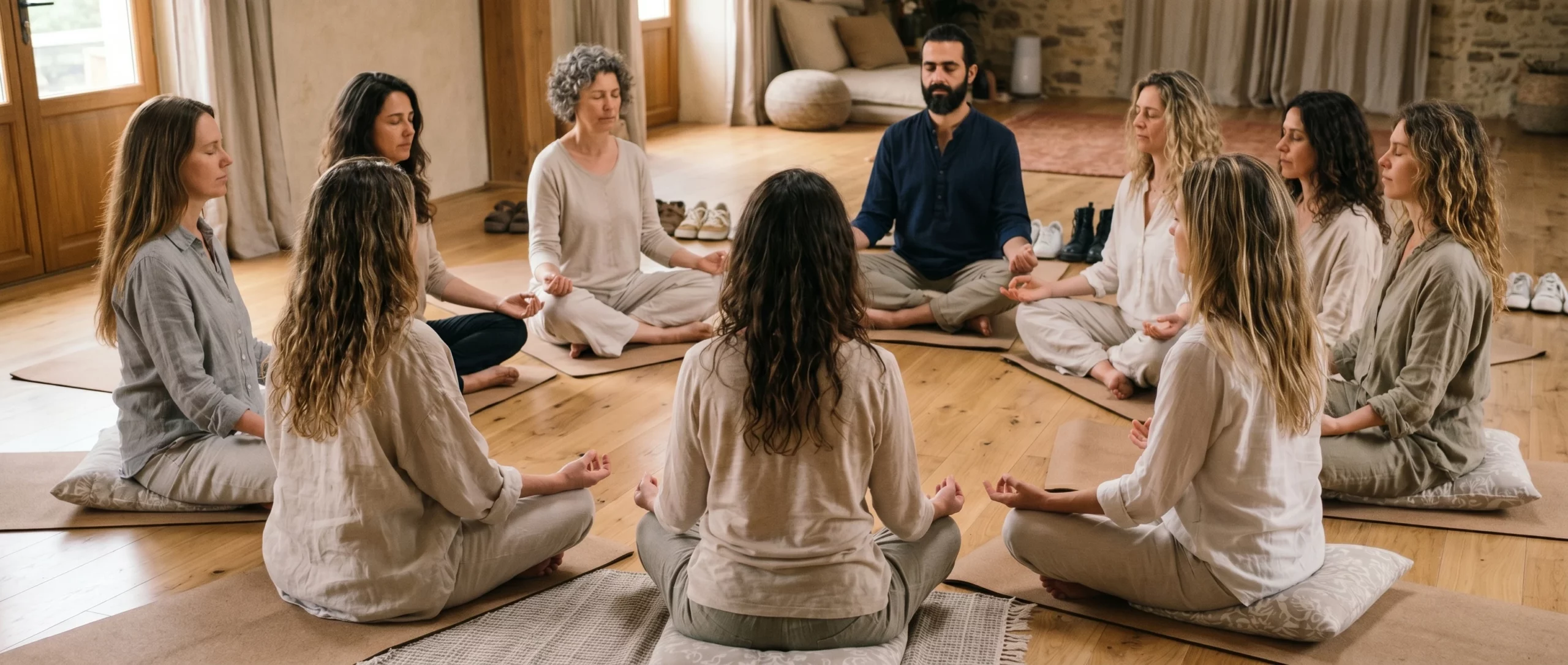
I’ve spent plenty of time trying different ways to weave mindfulness into regular activities, and with the distractions that come with daily activities, it’s never easy for a beginner butI’m sharing what actually works for me so others can check it out too. Through the years and with intent, i’ve learned to intergrate mindfulness into everyday moments, whether in cooking, cleaning the house or feeding my dogs.
Understanding Mindfulness in Everyday Life
Mindfulness is about being present and paying attention to what’s happening right now, without immediately getting caught up in judgments or distractions. It really comes down to tuning in to the moment, whether you’re sipping your morning coffee, listening to a friend share a story, or sitting in traffic. Even a small moment of conscious awareness such as listening to the fan in your bedroom or fixing your eyes on a lit candle can give your concentration a boost and make regular parts of the day feel more important. According to studies, keeping up with regular mindfulness can help ease anxiety and even support better sleep. If you’re just starting, the main thing to keep in mind is that mindfulness is less about emptying your mind and more about paying attention to what’s going on, both inside and out.
Simple Ways to Build Mindfulness Into Your Day
Working mindfulness into your routine doesn’t always mean carving out time for meditation sessions. Here are some methods I use to sneak mindfulness into daily life, often without changing my plans at all:
- Mindful Mornings: Before looking at your phone, take a few deep breaths and notice how your body feels. This small pause helps set a calm tone as you start the day. Pay attention to your thoughts and focus on those that are good.
- Attention CheckIns: During the day, pause for thirty seconds to pay attention to your breathing or to the sounds nearby. I like setting a gentle chime on my phone as a reminder.
- Mindful Movement: If you commute or go for walks, notice each step you take or feel the air on your skin. If you’re mostly sitting, stand up occasionally and focus on how your body feels as you stretch. Look around you to appreciate nature.
- Eating With Awareness: Try having a meal or snack without screens or distractions, just focusing on the flavors and textures. It makes eating a lot more satisfying and enjoyable.
Getting Started With Mindfulness Habits
Building new habits might feel awkward at first, but with mindfulness, even tiny shifts pay off pretty fast. Here are a few ideas that helped me when I was learning:
- Pick a Trigger: Tie mindfulness to another daily habit—like brushing your teeth, waiting for your coffee to brew, or washing your hands. It makes remembering much easier.
- Start Small: Don’t go for perfection; just try a couple of minutes of mindful breathing or tuning in to sounds once a day. If you miss a day, don’t worry, just start over—no guilt necessary.
- Use Reminders: A sticky note on your mirror or a gentle phone alarm can nudge you to pause and check in with yourself.
- Reflect on the Benefits: Jot down quick notes in a journal about moments you noticed or times mindfulness improved your mood.
- Celebrate Progress: Acknowledge even small steps forward or just remembering to pause, and give yourself a quick personal high-five.
When I first tried a morning breathing exercise, or even listening to the noise made by the fan in my bedroom, my mind wandered about several times. That’s perfectly normal. Getting distracted and bringing yourself back is actually a core part of learning mindfulness.
Challenges and How to Handle Them
Sticking with mindfulness every day isn’t always simple. I’ve run into lots of distractions, self-doubt, and the “I’ll never get it right” excuse. Here’s what I found helps to get past these hurdles:

- Dealing With Distraction: It’s totally usual for your mind to wander. Instead of getting frustrated, just notice it and gently guide your attention back.
- Lack of Time: Mindfulness fits neatly into tiny pockets—standing in line, washing dishes, or right before heading out the door.
- Impatience for Results: It’s tempting to look for big, fast results, but progress is usually subtle and takes time to pile up.
- Forgetting Altogether: Digital reminders and visible cues (like a bracelet or sticky note) keep mindfulness on my radar.
Pacing Yourself
Mindfulness isn’t a contest. I found that trying to do too much, too quickly, just led to frustration. Short, comfortable practices tailored to your lifestyle stick far more easily.
Clever Shortcuts for Everyday Mindfulness
Mindfulness can stick better when it connects to enjoyable or relaxing moments during your day. Here are some hacks that make it more fun and less like a chore:
- Mindful Listening: Try picking one conversation a day to give your full attention. You may spot emotions and details you’d otherwise miss.
- Gratitude Moments: Each night before bed, think of three things that went well that day. This steers your mindset away from stress and can give your mood a boost.
- Mindful Technology Use: When you unlock your phone, pause for a moment and take a breath before getting into notifications. It helps break the autopilot mode and stops needless scrolling.
- Sensory Anchoring: On walks, pick one sense—like paying attention to the colors of leaves or the sounds you hear—and focus on it for a few minutes.
Real-Life Benefits of Integrating Mindfulness
Bringing mindfulness into my day has led to some noticeable perks:
- Better Focus: Even on packed workdays, it’s easier to finish tasks without constant distractions.
- Less Reactivity: Pausing before reacting helps make everyday annoyances (like traffic or snarky messages) feel a lot less overwhelming.
- Improved Sleep: A simple nighttime breathing exercise allows my mind to settle, so falling asleep comes easier.
- Enjoyable Meals: Eating with awareness every so often makes meals taste better and nudges me toward healthier choices.
Common Questions About Daily Mindfulness
Friends and family have lots of questions when getting into mindfulness, so here are a few of the most popular ones:
Question: Do I have to meditate to be mindful?
Answer: Not at all. Mindful moments show up in all sorts of daily activities—from cooking and walking to brushing your teeth. Meditation is just one option.
Question: How do I know if it’s working?
Answer: Usually, you start to pick up on feeling less distracted, more settled, or even stopping yourself from reacting automatically. Sometimes your friends and family spot the change before you do.
Question: What if I’m always distracted or it feels boring?
Answer: Welcome to the club. Distraction is just part of being human. When it happens, just accept it and gently return your focus. If practicing becomes dull, try mixing things up or choosing something you genuinely like to focus on for a few minutes.
Getting Started and Sticking With It
The easiest approach to make mindfulness part of your life is to pick one little thing and stick with it. Choose a daily task you do already, then add in a pause, a few deep breaths, or a minute of noticing what’s around you. Perfection is not required; every bit of effort makes a difference.
The perks of mindfulness keep growing over time, whether your goal is to dial back stress, get a better grip on emotions, or just find more happiness in ordinary moments. What matters is finding techniques that fit your routine. If you’re curious to check out more, there are plenty of excellent books, apps, and podcasts out there to explore.
I want to put more emphasis on the importance of getting a good night sleep. As much as you can, try and rest before you hit the bed.
“I need to be transparent about this. As an Amazon Affiliate, I earn from qualifying purchases. Don’t worry, there’s no extra cost to you. It’s a simple way you can support my mission to bring you quality mindfulness content.”