
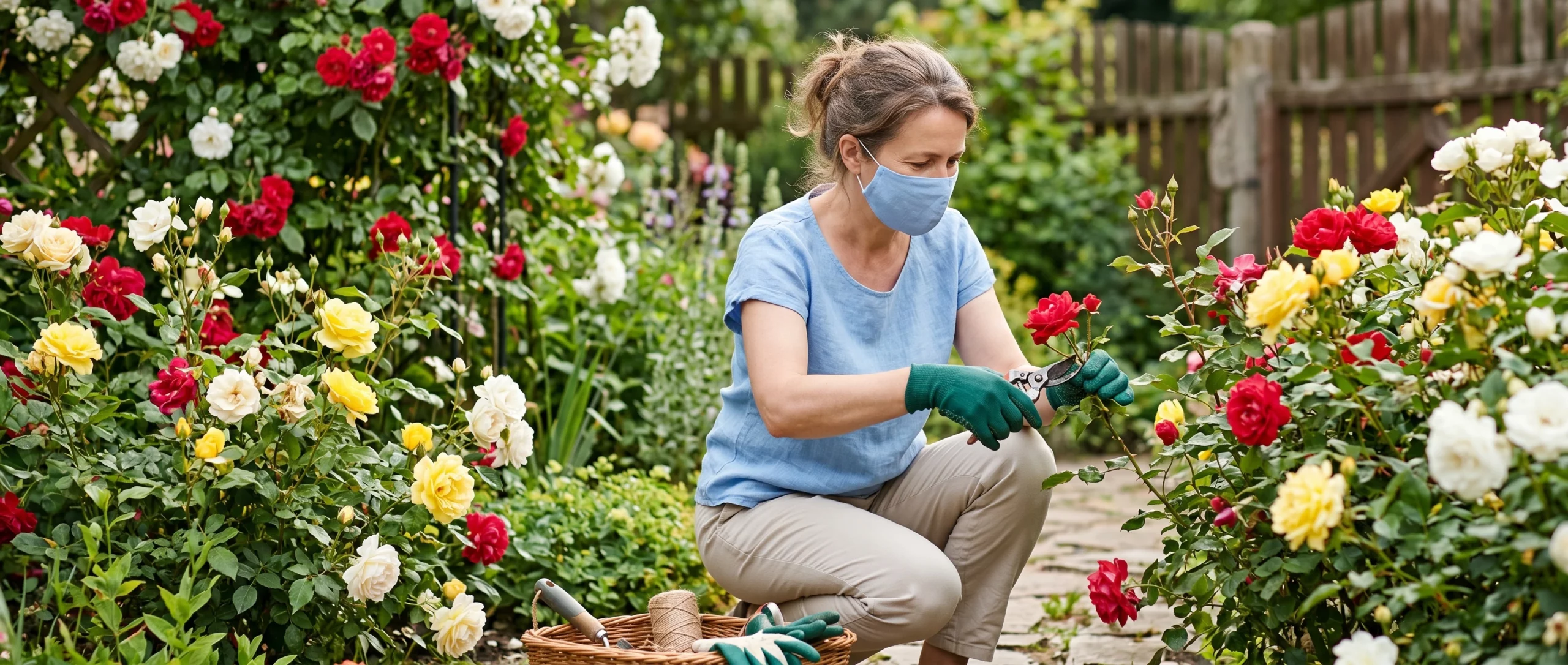
One thing i’ve learned from my journey of mindfulness is to be intentionally present to myself and to my environment in the moment regardless of the chaos around me. This practice has helped me and it continues to help me to notice and appreciate beauty even in the middle of chaotic situations. Being intentional about not being caught up in yesterday’s drama or tomorrow’s worries is all it takes. Overthinking and worrying about the unknown, or things that we have no control over often makes us anxious. And that same anxiety often drags us out of the present, making us fret over what we cannot control. Mindfulness, though, invites us back to the ‘now’, which is pretty calming when you think about it.
Praticing mindfulness has a huge impact on my mental health because it helps me create a sense of control over racing thoughts. When my mind is rushing all over the place, I pause, take a breath and just observe the beauty around me. This is not shoving under the carpert daily challenges, it is acknowledging that challenges will forever be a part of my life and learning ways to live a sane life in the midst of those challenges.
There’s a fascinating link between mindfulness, stress and anxiety. Practicing mindfulness on a regular basis lowers stress levels and low stress levels reduces anxiety. It’s like a ripple effect. One mindful moment can lead to another, and as time goes on, the power within you is unleashed to a point where your challenges do not determine your mood.
Mindfulness has been practiced for centuries though nowadays it seems as if the term is a psychology jargon. Research shows it can physically alter the brain’s regions that control emotion and fear, making you more resilient in the face of anxiety. Being more aware and focused has real tangible benefits. Though some people believe that it’s not a one-size-fits-all cure, I can testify that it has helped me to live a happy and fulfilled life.
Practical Mindfulness Exercises for Anxiety Relief
When it comes to easing anxiety through mindfulness, breathing exercises are the bread and butter. Though it may seem challenging at first between traffic jam, unending phone calls, stacking bills, focusing on your breath helps anchor your thoughts without letting them run wild. When anxiety attacks, which for me would happen early morning and late nights, I would take slow, deep breaths in and out and kindly focus on my breathing. And as I do that, I say to myself, ‘I will make it’. This practice magically bring me back to center and rid my body off of anxiety.
Another practice is the body scan technique. This one works like magic. Here, you focus your attention to different parts of your body, starting with your toes to your head or vice-versa. You can do it from your office chair. Lye in a comfortable position, close your eyes, take deep breaths and pay attention to your body. Notice where your body is experiencing pain or tightness and mentally breath into as is renewing it. It’s a great way of using your own power to reconnect with yourself and releasing the discomfort in your body.
There’s also guided imagery, the power of imagination which can take you to places you want to be. Imagining peaceful scenarios and pleasant scenes not only distracts you from anxiety but also activates more relaxed mental state. By mentally removing yourself from a current chaotic state to a more peaceful one and gives your brain a little room to breathe. Your brain listens to what you feed it, not the chaos sorrounding you and in response it brings you to a place of calmness.
There is power in movement. Though these practices take time away from loved ones, walking, yoga and other physical activities incorporate physical postures and breath to foster a mindful state. Plus, they’re a fantastic way to stay active while nurturing the mind-body connection.
Now that you’ve embraced these techniques, put down in a calendar the activities that you will do in a month and stick to it. Consistency is key, though. Engaging in them regularly can form a new pattern of awareness and relaxation, a bit like creating a psychological safety net to catch you when anxiety hits. Just like building any habit, sticking with it over time is crucial.
The 3-3-3 Anxiety Rule: A Simple Mindfulness Technique
Now, the 3-3-3 rule is simple and incredibly easy to remember. It works for me all the time. All I do is when anxiety kicks in, I name three things that I can see for instance, air conditioner, phone and bible. Then I name three things I can hear for instance humming air conditioner, engine noise and buzzing lawn mower. There after I move 3 parts of my body. It’s an easy and practical way to snap back into the present.
Getting the 3-3-3 rule into your daily routine is simple. You can do it anywhere, whether you’re on a crowded bus or stuck at a tedious meeting. The beauty of it lies in its simplicity and adaptability. This exercise doesn’t require any special set-up, making it a versatile tool in any anxiety management toolkit. This tool helps to reduce the intensity of anxiety over time. And, it’s both quick to learn and easy to use whenever nerves get the best of you.
Mental Relaxation: Calming Your Brain and Body
This technique works like a mental massage. Though releasing tension and calming the mind when anxiety creeps in can feel like an uphill battle, it’s entirely doable with some simple strategies. Progressive muscle relaxation is one of such techniques. First, you tense then release each part of your body, working from head to toe. As you do so, you take your attention off of your stressors and focus on yourself. As the tension in the muscles fades, so often does the anxiety.
Creating a serene and soothing environment is another key piece. Keep your sorroundings clean, allow sunlight in the house, play calming music and maybe add some aromatherapy with calming scents like lavender. It all comes down to doing something good for yourself. The right setting can make all the difference when it comes to relaxing your mind.
Mindful breathing is a fantastic companion for these exercises. Paired with visualization, like imagining a calming scene, it gives your brain something peaceful to latch onto. This approach not only rests your mind but also rejuvenates it by taking it away from stressors. Remember, mental relaxation doesn’t mean avoiding reality—it’s about preparing yourself to face it better. These practices help you build resilience, turning down the volume on anxiety and allowing you to approach life with a clearer, calmer mind.
Tackling Overthinking and Regaining Mental Clarity
Overthinking can be like a whirlpool, pulling you in all directions. So, it’s important to recognize your triggers early. Once you know what sets you off, mindfulness techniques can help ease the constant cycle of worry. Redirecting your focus onto something engaging, like counting or doing a simple puzzle or reading, can disrupt endless loops of anxious thoughts.
Embracing positive affirmations can also do wonders. It’s about the power of confession. This literally works best for me. I create by the word. A few well-chosen phrases like ‘I am in control’ or ‘I am capable’ can reinforce mental clarity, empowering you to break free from overthinking. It’s about retraining your mind to dwell more on the positive. When anxiety peaks, pay attention to your thoughts, focus on your breathing, repeat positive affirmations, and even step outside for a breath of fresh air. That’s often enough to reset your mental balance.
Start with small, manageable changes. Building mental clarity doesn’t happen overnight but taking consistent action fosters a more peaceful state of mind over time. It’s about finding what works for you and sticking with it, creating a sturdy framework for clearer thinking and deeper calm.
“I need to be transparent about this. As an Amazon Affiliate, I earn from qualifying purchases. Don’t worry, there’s no extra cost to you. It’s a simple way you can support my mission to bring you quality mindfulness content.”